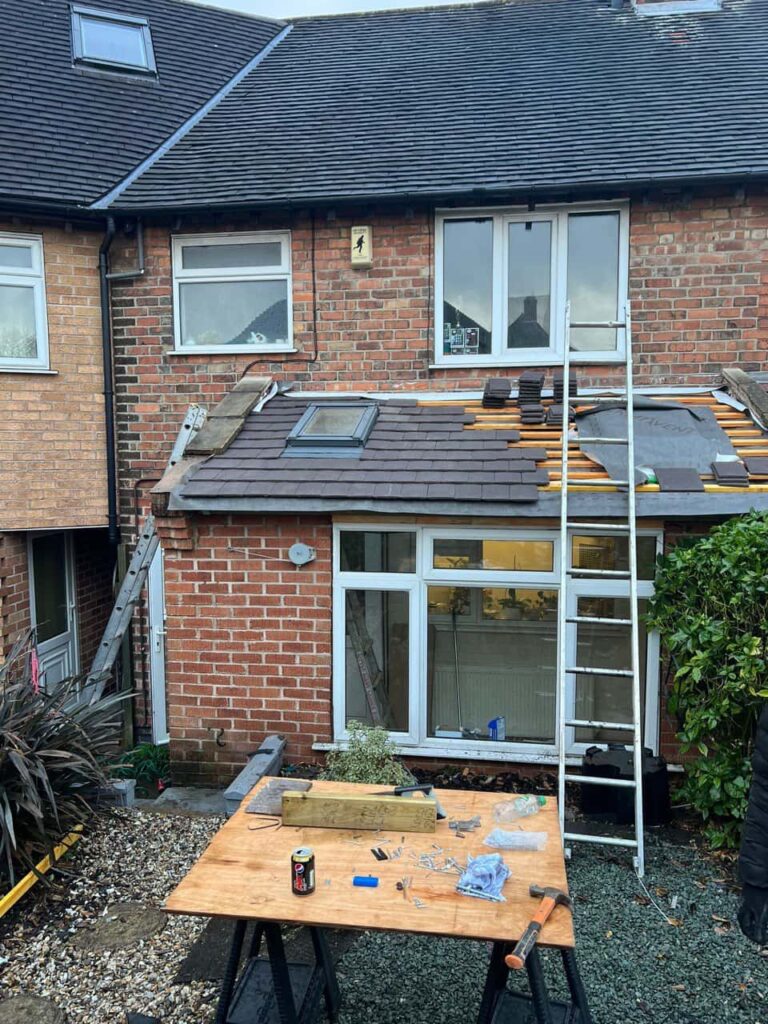
Felt roofing is a popular choice for flat and low-pitched roofs on garages, extensions, sheds and other buildings. When correctly installed and maintained, it provides a protective barrier against rain and moisture. However, exposure to changing temperatures, standing water and general weathering can gradually affect its condition.
For property owners in Isleham, Cambridgeshire, recognising early signs of felt roof damage can help prevent minor defects from developing into leaks and more extensive roof deterioration. Understanding the common problems and the appropriate repair methods makes it easier to decide when professional roofing assistance is needed.
Common Felt Roofing Problems and How to Resolve Them
Felt roofs can develop several types of damage over time. The right repair depends on the cause, the extent of deterioration and the condition of the roof beneath the covering.
1. Cracked or Split Roofing Felt
Cracks and splits can develop as roofing felt ages and repeatedly expands and contracts with temperature changes. Movement in the roof structure or deterioration of the material can also contribute to the problem.
Even a small split may allow rainwater to penetrate the roof, particularly during prolonged wet weather. Damp patches on ceilings, water marks and moisture around roof edges can indicate that the covering is no longer watertight.
How to resolve it: Small, localised defects may be suitable for a compatible roofing repair system, provided the surrounding felt remains sound and the underlying surface is dry and stable. Where splitting is widespread or the felt has become brittle, replacing a larger section or renewing the roof covering may provide a more reliable solution.
2. Blistering and Bubbling
Blisters appear as raised areas beneath the felt surface. They can form when air or moisture becomes trapped between roofing layers during installation or as the roof deteriorates.
Although some small blisters may remain intact for a time, they can weaken the covering and become vulnerable to damage. Puncturing them without understanding the cause can make the problem worse by creating an opening for water.
How to resolve it: A roofer should assess whether the blister affects the waterproofing layer and determine the appropriate repair. Depending on its size and the condition of the surrounding material, the affected section may need to be repaired or replaced. Any underlying moisture issue should also be addressed.
3. Water Pooling on the Roof
Flat roofs should be designed to drain water effectively. If rainwater remains on the surface long after surrounding areas have dried, it may indicate blocked outlets, inadequate falls or a developing problem with the roof structure.
Persistent standing water places additional stress on the felt covering and can accelerate deterioration, especially where the material already has cracks, weak seams or damaged edges.
How to resolve it: Check that accessible gutters and drainage outlets are clear, but avoid walking on a fragile or wet roof. If pooling continues, a professional inspection can identify whether the problem relates to drainage, roof levels or structural movement. Simply applying another layer of felt will not necessarily solve an underlying drainage issue.
4. Loose Seams and Lifting Edges
Felt roofing often relies on securely bonded overlaps and well-finished edges to prevent water from entering beneath the covering. Over time, poor adhesion, weather exposure or movement can cause these areas to lift.
Loose seams are particularly vulnerable during windy conditions, when further lifting can expose larger sections of the roof.
How to resolve it: Localised lifting may be repairable if the felt and substrate remain in good condition. Damaged overlaps should be properly secured using a suitable roofing system, with any deteriorated material replaced. If several seams have failed, a broader assessment is advisable to establish whether the covering is nearing the end of its serviceable life.
5. Leaks Around Roof Edges and Junctions
Leaks do not always originate in the middle of a felt roof. Water can enter around upstands, abutments, rooflights, pipe penetrations and junctions with walls. Poorly finished details or deteriorated seals can create weak points even when the main roof surface appears intact.
Inside the building, signs may include damp ceilings, peeling paint or water staining close to external walls.
How to resolve it: The source of the leak should be identified before repairs begin. A roofer can inspect the junctions and replace or reinstate defective detailing using materials compatible with the existing roof system. Applying sealant to the first visible gap may only provide a temporary result if water is entering elsewhere.
6. Torn, Worn or Weathered Felt
Long-term exposure to sunlight, rain, wind and temperature changes can cause felt to lose flexibility and deteriorate. Tears may also occur through accidental damage, falling debris or maintenance activity.
If the surface has become brittle, extensively worn or repeatedly damaged, isolated patches may no longer provide dependable protection.
How to resolve it: Local damage can sometimes be repaired where the surrounding felt is still sound. When deterioration affects a substantial part of the roof, renewing the covering may be more appropriate than repeatedly patching individual defects. The condition of the roof deck and insulation should also be checked before new materials are installed.
How to Help Prevent Felt Roofing Problems
Routine maintenance can help extend the useful life of a felt roof and identify defects before water enters the building.
- Inspect the roof from a safe position for visible cracks, lifting edges and damaged areas.
- Keep gutters and drainage outlets clear so rainwater can escape effectively.
- Remove accumulated leaves and debris where this can be done safely.
- Arrange an inspection after severe weather if you suspect damage.
- Address leaks promptly rather than waiting for damp patches or ceiling damage to worsen.
Avoid climbing onto a wet, damaged or fragile flat roof. A professional can inspect the covering safely and identify defects that may not be visible from ground level.
When Should You Arrange Professional Felt Roof Repairs?
Professional assistance is recommended when a leak persists, several defects appear together or the felt has deteriorated across a large area. Repeated patch repairs can be ineffective if the underlying roof deck is damp, the drainage is inadequate or the waterproofing layer has reached the end of its serviceable life.
An experienced roofer can assess the condition of the felt, investigate possible causes of water ingress and recommend whether a local repair, partial replacement or complete renewal is the most suitable option.
For property owners in Isleham, Cambridgeshire, dealing with the cause of the problem rather than just its visible symptoms can help protect the building and reduce the likelihood of recurring leaks.
Conclusion
Cracked felt, blistering, standing water, loose seams and damaged roof junctions are common problems that can compromise a flat roof’s waterproofing. Early attention can prevent further deterioration, but the most effective repair depends on the condition of the felt and the roof beneath it.
If you have noticed signs of damage or water ingress, Isleham Roofing Repairs can help assess your felt roof and recommend an appropriate repair. Contact the team to discuss your roofing concerns and arrange professional assistance to help keep your property protected.
Call us on: 01638 591 695
Click here to find out more about Isleham Roofing Repairs
Click here to complete our contact form and see how we can help with your roofing needs.