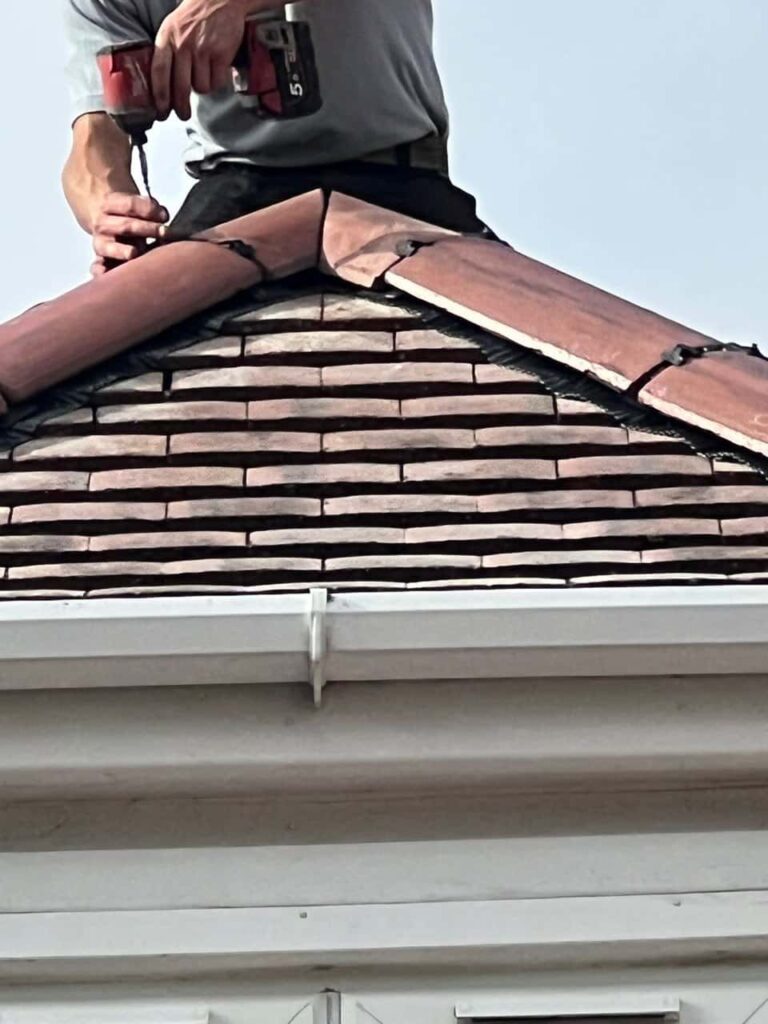
A roof can change considerably throughout its working life. An isolated leak or damaged tile may initially require only a straightforward repair, but as roofing materials age, different areas can begin to need attention. When this happens, simply dealing with each problem individually may not always provide the best long-term approach.
For property owners in Isleham, Cambridgeshire, the key is to understand whether individual defects remain isolated or whether they indicate a wider change in the condition of the roof. A careful assessment can help determine whether targeted roof repairs remain appropriate and how the roof should be managed to maintain dependable performance.
Choosing the Right Long-Term Approach for a Roof With Changing Repair Needs
The most suitable approach should be based on the roof’s present condition rather than its age or repair history alone. A roof that has required several repairs can still be fundamentally sound, particularly when previous faults were isolated and the surrounding materials remain serviceable.
However, changing repair needs can sometimes indicate that deterioration is becoming more widespread. If new problems are appearing more frequently, in different locations or across several roofing components, it becomes important to assess the roof as a complete system.
The objective is not simply to stop the latest leak or replace the latest damaged tile. It is to understand what is causing the changing pattern of problems and select repairs that support the roof’s continued reliability.
Start With the Roof’s Repair History
Previous repairs can provide useful clues about how the roof is performing.
A roof that has needed occasional attention over many years may still have plenty of serviceable material. Individual tiles can become damaged, flashing can deteriorate locally and exposed details can require maintenance without indicating widespread roof failure.
A different pattern emerges when repairs become increasingly frequent. Warning signs can include:
- Leaks developing in several unrelated areas
- Tiles or slates repeatedly becoming displaced
- New deterioration appearing around previous repair areas
- Several roof details requiring attention within a relatively short period
- Problems returning despite the original defect being repaired correctly
- Roofing materials becoming increasingly fragile
Looking at the repair history as a pattern rather than a collection of separate incidents can provide a much clearer understanding of the roof’s condition.
Identify Why New Problems Are Developing
Knowing that a roof needs another repair is only part of the assessment. It is equally important to understand why the defect has developed.
For example, replacing one slipped tile may be perfectly appropriate when the problem is isolated. If several tiles are moving because their fixings or surrounding materials have deteriorated, repeatedly dealing with individual tiles may not address the underlying issue.
Leaks require similar care. Water can enter through one location and travel beneath the roof covering before becoming visible elsewhere. Repairing the area directly above an internal damp patch without identifying the actual entry point may leave the problem unresolved.
Finding the cause allows repair decisions to be based on the condition of the roof rather than simply its most obvious symptom.
Consider Whether Problems Are Localised or Widespread
The distribution of defects is particularly important when planning for the longer term.
Localised deterioration normally affects a clearly defined section while the surrounding roof remains in good working condition. In these circumstances, targeted repairs can often restore effective weather protection without unnecessary work elsewhere.
Widespread deterioration is different. Problems may occur across several sections or affect multiple components, such as the roof covering, mortar, flashing and fixings.
When this pattern develops, assessing each fault independently can make it difficult to understand the true condition of the roof. A broader inspection provides a better basis for deciding what work is appropriate.
Assess the Materials Surrounding Each Repair
A successful roof repair needs to integrate with the existing materials around it.
If the surrounding tiles, slates, fixings and supporting components remain sound, a localised repair can provide a dependable result. If nearby materials are fragile or deteriorating, however, repairing one small section may not resolve the wider weakness.
This is particularly important on ageing roofs. Materials of a similar age may begin to deteriorate at roughly the same stage, meaning one visible problem can sometimes be an early indication that neighbouring areas also require attention.
Examining the surrounding materials helps establish whether the proposed repair is likely to remain effective.
Do Not Base the Decision on Roof Age Alone
Age provides useful context, but it does not determine whether a roof should continue to be repaired.
Two roofs of a similar age can be in very different condition. Exposure, maintenance, materials, workmanship and previous repairs can all influence how well a roof performs over time.
An older roof with sound materials and a clearly defined defect may be an excellent candidate for repair. A roof experiencing widespread deterioration may require a broader approach regardless of its age.
Condition should therefore remain the main factor when determining the most appropriate long-term strategy.
Look at How Well Previous Repairs Are Performing
Previous repairs should also be considered during an assessment.
If repaired areas remain secure and weather-resistant, this demonstrates that targeted work has been successful. A new problem elsewhere does not necessarily mean the earlier repair has failed.
However, if deterioration repeatedly develops immediately around repaired sections, it may indicate that the remaining original materials are becoming less dependable.
This distinction matters because it helps determine whether the roof is experiencing isolated faults or a gradual decline across larger areas.
Consider the Roof as a Complete System
A roof is more than its visible covering. Its ability to protect the property depends on several components working together.
A useful assessment may consider the condition of:
- Tiles or slates
- Ridges and verges
- Valleys and drainage routes
- Leadwork and flashing
- Roof junctions
- Fixings
- Underlying materials where accessible
- Areas around chimneys and roof penetrations
A problem affecting one component can sometimes place additional pressure on another. Looking at these elements together makes it easier to determine whether the roof remains generally reliable.
Know When a Wider Roof Assessment Is Appropriate
A whole-roof assessment can be particularly useful when repair requirements become increasingly unpredictable.
Rather than concentrating solely on the latest defect, the roofer can inspect other vulnerable areas for similar deterioration. This can reveal whether the problem is genuinely isolated or part of a developing pattern.
Importantly, a wider assessment does not mean assuming that extensive work is necessary. It may confirm that most of the roof remains perfectly serviceable and that carefully targeted repairs continue to be the most appropriate option.
The purpose is simply to make decisions with a fuller understanding of the roof’s condition.
Plan Repairs Around Long-Term Reliability
The best roofing approach should restore dependable performance rather than simply provide a temporary response to visible damage.
When a repair is appropriate, it should address the cause of the defect and leave the surrounding roof capable of performing correctly. When repeated problems indicate wider deterioration, the approach may need to change accordingly.
Roof maintenance should therefore remain flexible. What was an appropriate strategy several years ago may need reviewing as materials age and the condition of the roof develops.
Professional Roof Repairs in Isleham, Cambridgeshire
At Isleham Roofing Repairs, we take the wider condition of the roof into account when assessing individual faults. This helps us understand whether a targeted repair is likely to provide a reliable result or whether changing repair requirements suggest that other areas should also be investigated.
For property owners in Isleham, Cambridgeshire, this approach provides clearer information about the condition of the roof and helps ensure that any recommended work is appropriate to the problem found.
Conclusion
Choosing the right long-term approach for a roof with changing repair needs depends on understanding how the roof is performing as a whole. Occasional isolated defects can often be repaired successfully, particularly when the surrounding roofing materials remain sound.
When faults become more frequent, begin appearing in different areas or involve several roofing components, a wider assessment becomes increasingly valuable. Identifying the underlying cause and understanding the condition of neighbouring materials can help determine whether continued targeted repairs remain the right solution.
If your roof in Isleham, Cambridgeshire is developing recurring or changing problems, contact Isleham Roofing Repairs. We can assess the condition of the roof, identify the cause of any defects and recommend an appropriate approach based on what the roof genuinely requires.
Call us on: 01638 591 695
Click here to find out more about Isleham Roofing Repairs
Click here to complete our contact form and see how we can help with your roofing needs.