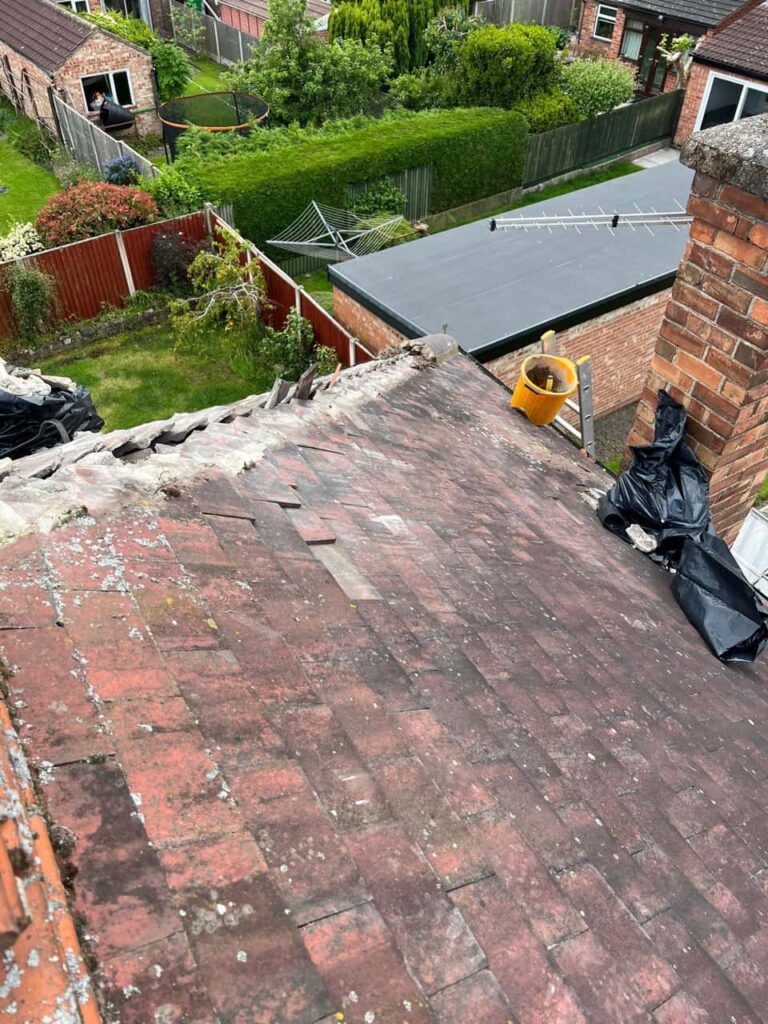
Flat roofs are widely used on extensions, garages and commercial-style properties across Isleham, Cambridgeshire. When well maintained, they can perform reliably for many years. However, one of the most common misconceptions about flat roofing is that inspection is only necessary once a leak becomes visible. In reality, flat roofs can develop underlying problems long before any internal signs appear.
At Isleham Roofing Repairs, we often identify issues during routine inspections that would not yet be obvious to the property owner, but could lead to disruption if left unaddressed.
Flat Roofs Age Quietly
Unlike pitched roofs, flat roofs do not shed water as quickly. They rely on subtle falls and drainage points to move water away from the surface. Over time, weather exposure, temperature changes and general ageing can affect the roofing membrane.
Small splits, surface wear or weakened seams can develop gradually. These early-stage issues may not allow water through immediately, but they reduce the roof’s ability to cope during prolonged rainfall or seasonal changes.
Water Can Sit Without Causing Immediate Leaks
One of the key reasons flat roofs should be inspected regularly is the way water behaves on them. Minor pooling or slow drainage does not always result in immediate leaks. Instead, moisture can sit on the surface, placing ongoing stress on the membrane and joints.
Over time, this standing water can accelerate deterioration, eventually leading to failure beneath the surface. By the time a leak appears internally, the damage is often more advanced than expected.
Hidden Deterioration Beneath the Surface
Flat roof problems are often concealed within the layers of the roof structure. Insulation, decking and supporting timbers can be affected by moisture long before stains or drips become visible inside the property.
Regular inspections help identify early warning signs such as soft spots, surface blistering or membrane movement, all of which suggest underlying issues that require attention.
Drainage Issues Develop Gradually
Blocked or poorly performing drainage outlets are a common cause of flat roof deterioration. Leaves, debris and sediment can restrict water flow, increasing the likelihood of standing water.
An inspection allows drainage points to be checked and cleared, helping the roof perform as designed and reducing long-term stress on the surface.
Preventing Sudden and Disruptive Failures
Flat roofs often fail gradually, but the effects can appear suddenly. A small weakness that has gone unnoticed may give way during heavy rainfall, leading to rapid water ingress.
Proactive inspections reduce the risk of unexpected failure by identifying vulnerabilities early, allowing maintenance or repairs to be carried out in a controlled and timely manner.
The Value of Professional Inspection
A professional flat roof inspection goes beyond a quick visual check. It assesses surface condition, drainage performance and structural integrity, providing a clear picture of how the roof is performing overall.
This approach ensures decisions are based on the roof’s actual condition, not just the absence of visible leaks.
Conclusion
Flat roofs should be inspected regularly, even when no leaks are visible, because many issues develop silently beneath the surface. Ageing materials, drainage problems and hidden deterioration can all compromise performance long before internal signs appear.
If you want to ensure your flat roof continues to protect your property, Isleham Roofing Repairs offers professional inspections and maintenance services for properties in Isleham, Cambridgeshire. Early assessment helps preserve roof integrity and provides peace of mind that your roof is performing as it should.
Call us on: 01638 591 695
Click here to find out more about Isleham Roofing Repairs
Click here to complete our contact form and see how we can help with your roofing needs.